
Perception of Handguns and Shooting Sports
Public perception of shooting sports, and handguns in particular, often depends less on reality and more on context, language, and personal familiarity.
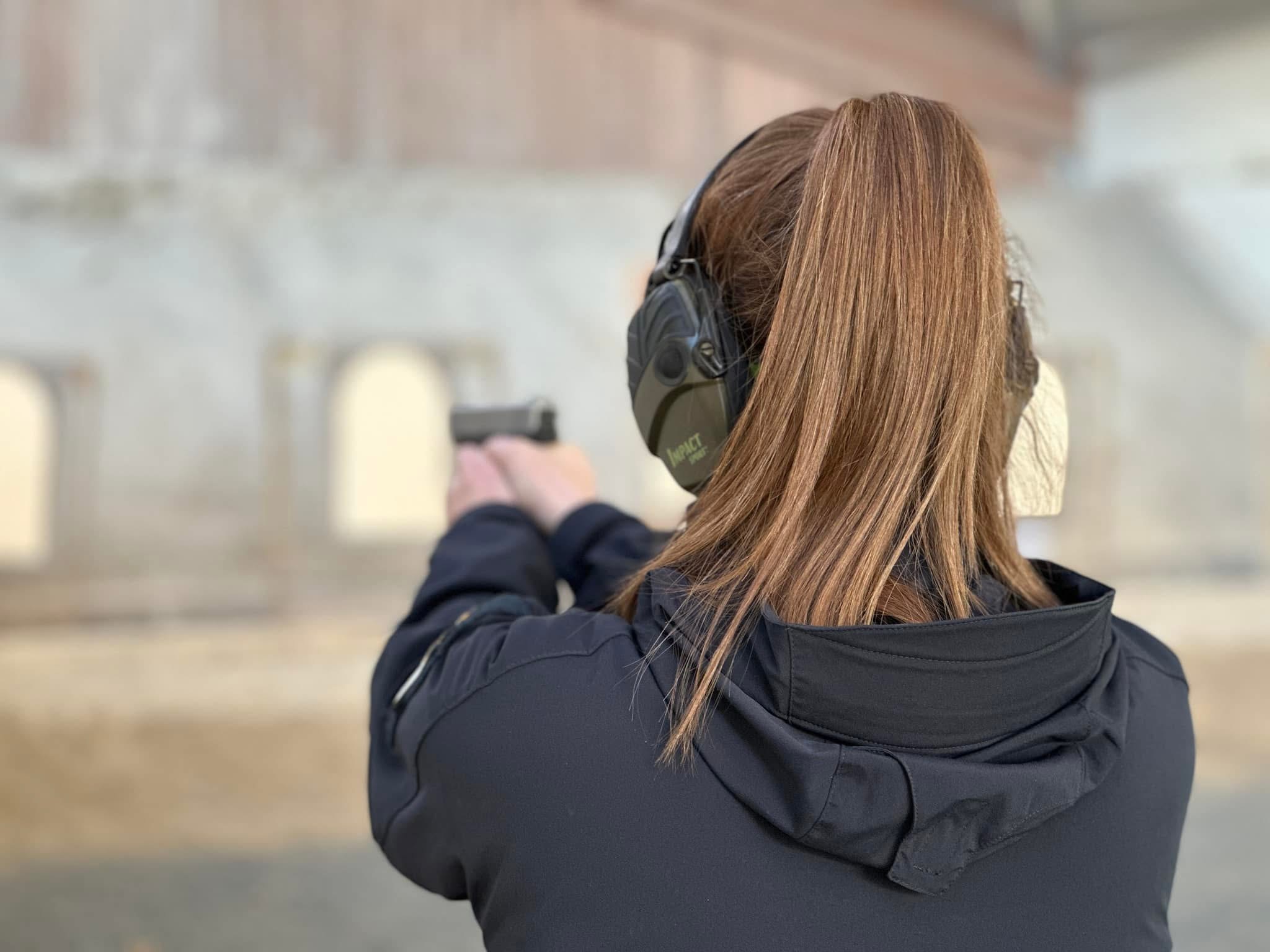
For many people outside the sport, the word firearm tends to trigger immediate associations with danger, crime, or conflict. Handguns especially are often seen as symbols of violence, shaped heavily by news coverage, films, and social media. Even in a sporting context, the assumption can sometimes be that they are inherently more “serious” or controversial than other equipment used in recreational or competitive disciplines.
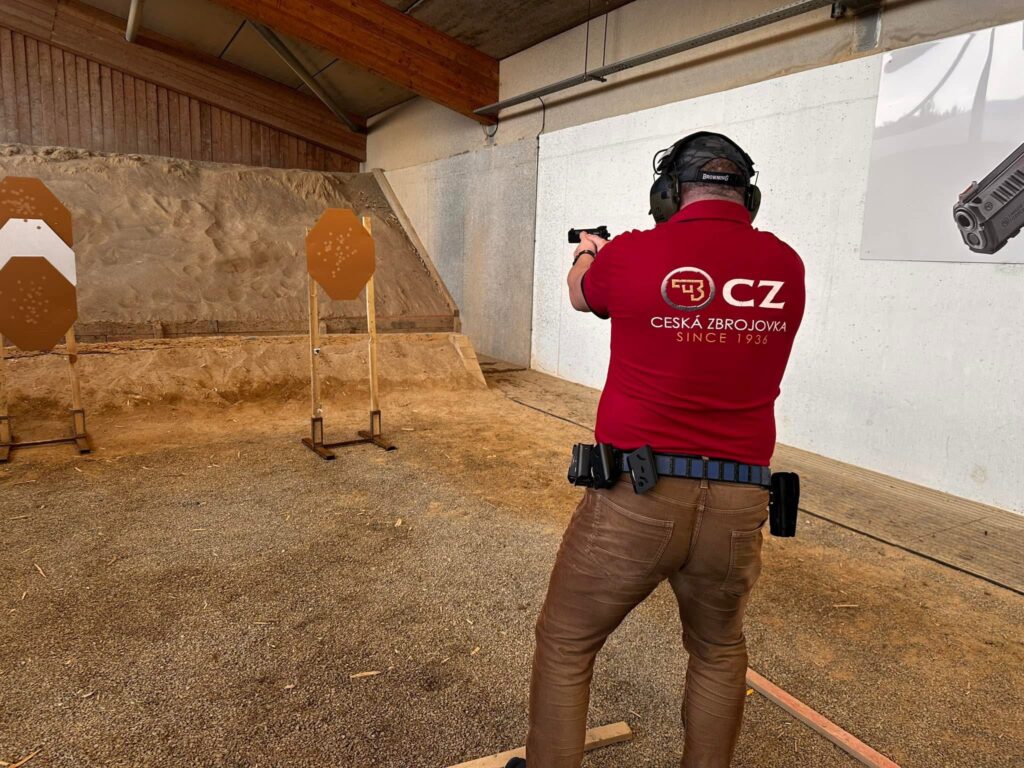
Consider how a passionate football supporter is often viewed. A fan who follows every match, travels to away games, knows player stats, and lives for their club is usually seen as enthusiastic, loyal, and part of a healthy community. Even if emotions run high, that intensity is generally accepted and often celebrated as part of the culture of sport.

Yet when someone shows a similar level of dedication to shooting sports—practising regularly, studying technique, maintaining equipment carefully, and engaging deeply with the discipline—the perception can shift. Instead of being seen simply as a “fanatic” in a sporting sense, they may be viewed with suspicion and fear by those unfamiliar with the activity.
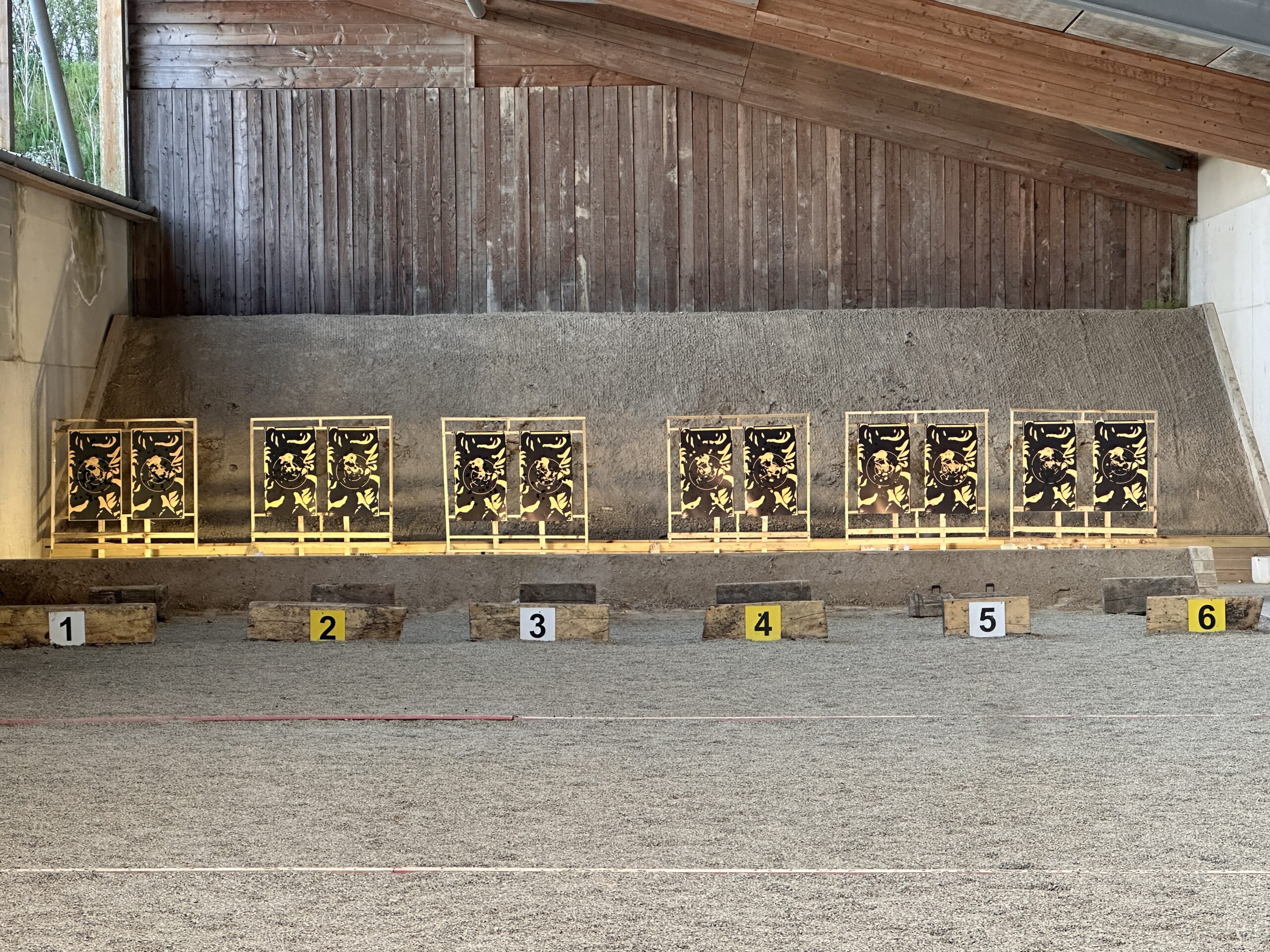
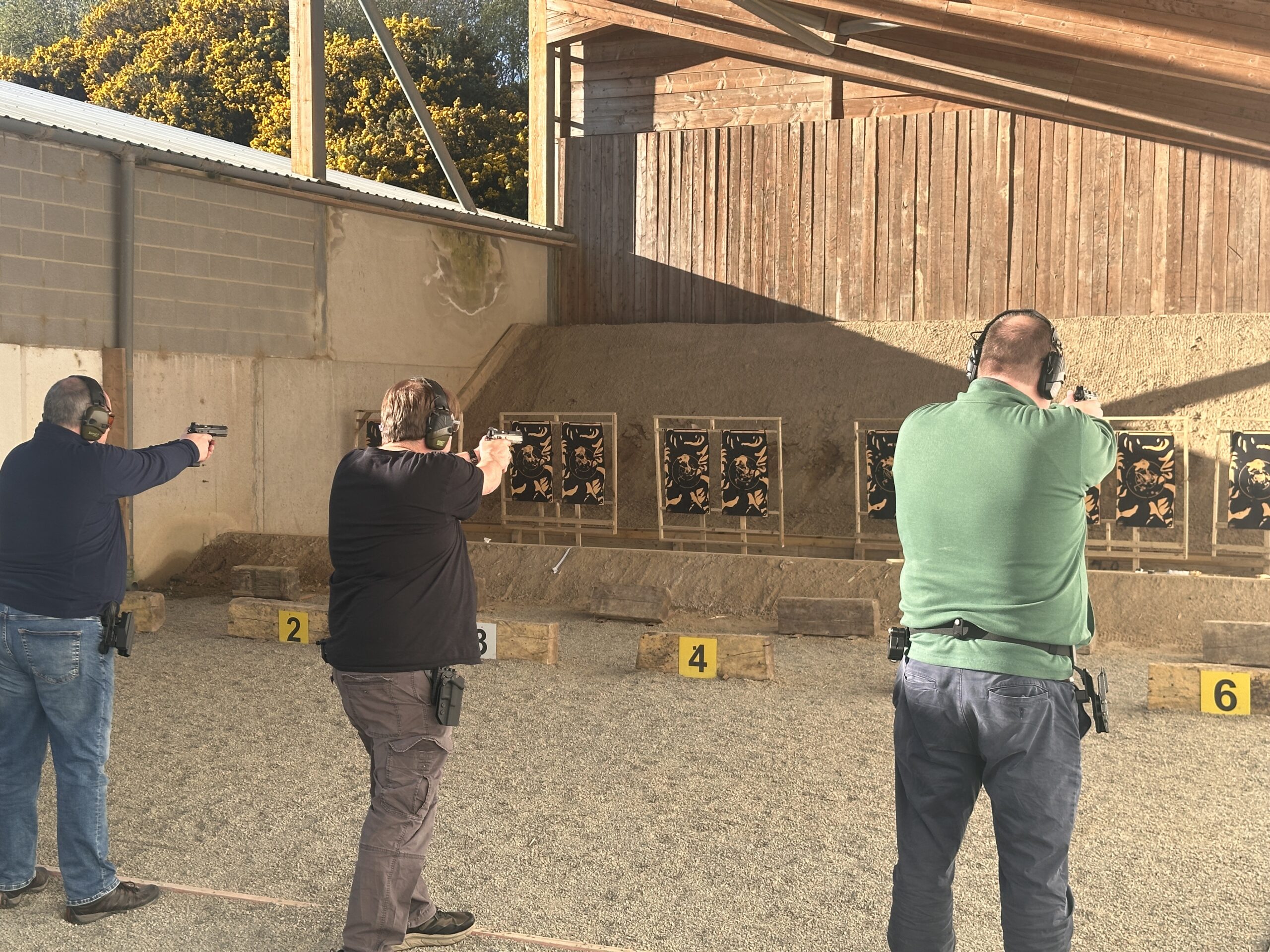
The key difference is context. In football, the object of passion is familiar and widely understood. In shooting sports, especially involving handguns, the unfamiliarity of the equipment can overshadow the reality that it is a highly regulated, safety-focused discipline practiced in structured environments.

In both cases, however, the underlying traits are often the same: commitment, routine, skill development, and community. One is broadly accepted as part of mainstream culture, while the other is still working against historical associations and misunderstanding.
Bridging that gap comes down to visibility and education—helping people see that, at its core, shooting sports are not about the tools themselves, but about control, discipline, and responsibility, much like any other skill-based sport.
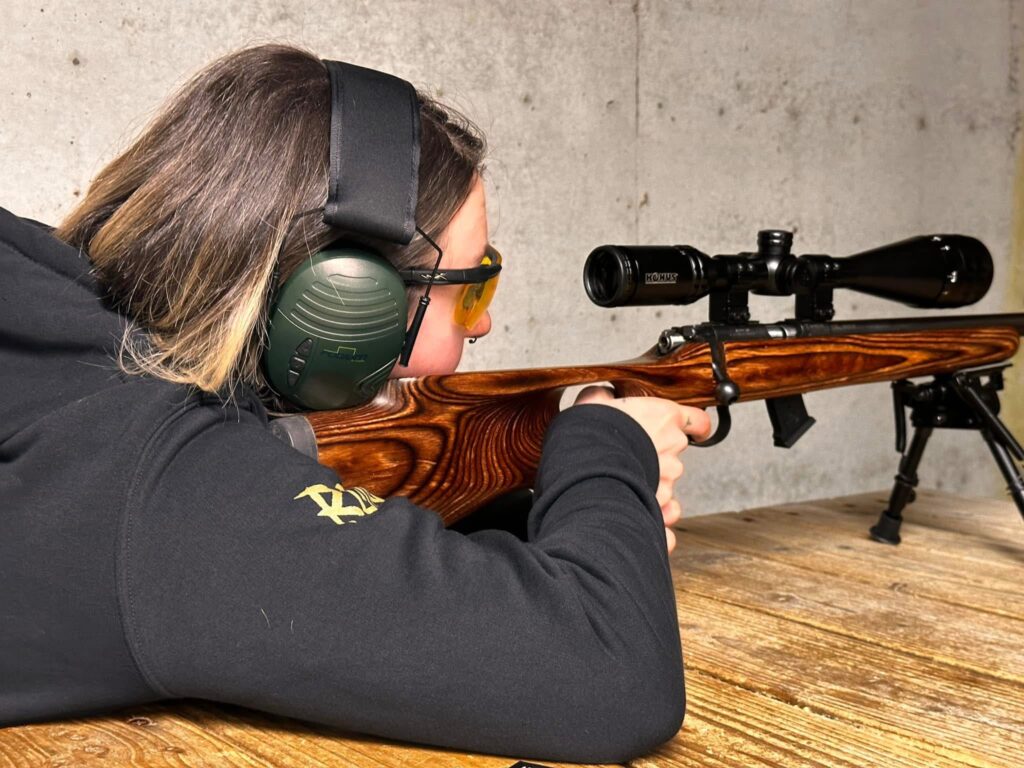
It’s also fair to acknowledge that, like any hobby or sport, shooting can attract a small minority who are more interested in the image than the discipline. Occasionally you’ll see the “John Rambo” type—more focused on camo gear and persona than safe, structured participation. In a healthy, well-run club, however, that attitude doesn’t last long. The culture of safety, responsibility, and respect for the sport tends to naturally filter out those who aren’t there for the right reasons.
As understanding grows through openness and responsible visibility, the contrast between perception and reality becomes clearer. In time, this can help reposition shooting sports, not as something defined by their equipment, but as another legitimate, structured activity where discipline and safety are central to participation and enjoyment.

Leave a Reply